
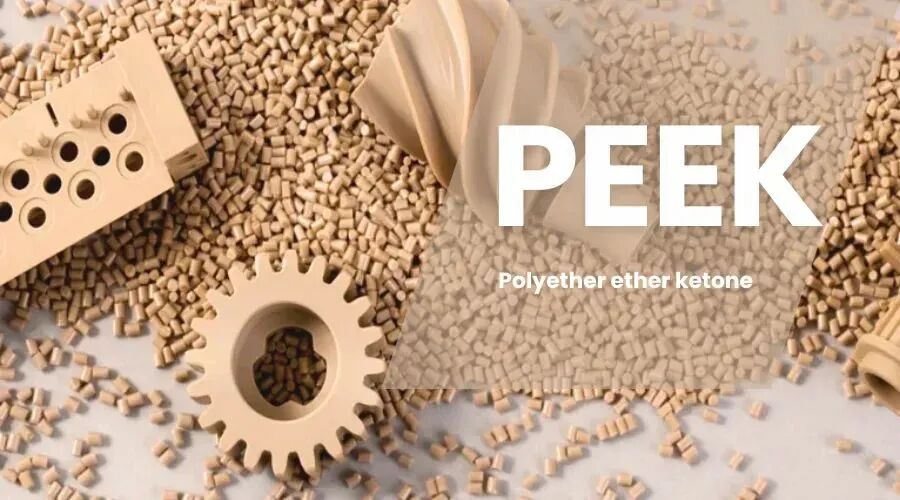
PEEK Material: Reshaping the High-End Segment of the Plastics Industry and Unlocking New Possibilities for Demanding Applications
Throughout the development of the plastics industry, material innovation and replacement have always been a key driver of industrial upgrading. As a standout among specialty engineering plastics, PEEK (polyether ether ketone) distinguishes itself through comprehensive performance far exceeding that of conventional plastics. It has broken through the technological bottlenecks of high-end plastic products and fundamentally changed the long-standing situation in the plastics industry, where low-end products suffer from severe homogenization while high-end products rely heavily on imports. PEEK has therefore become a key force driving the plastics industry toward high-end, high-precision, and diversified development. Conventional engineering plastics such as PA, PPS, and PC have obvious limitations in areas such as high-temperature resistance, wear resistance, and corrosion resistance, making them unable to … Read more
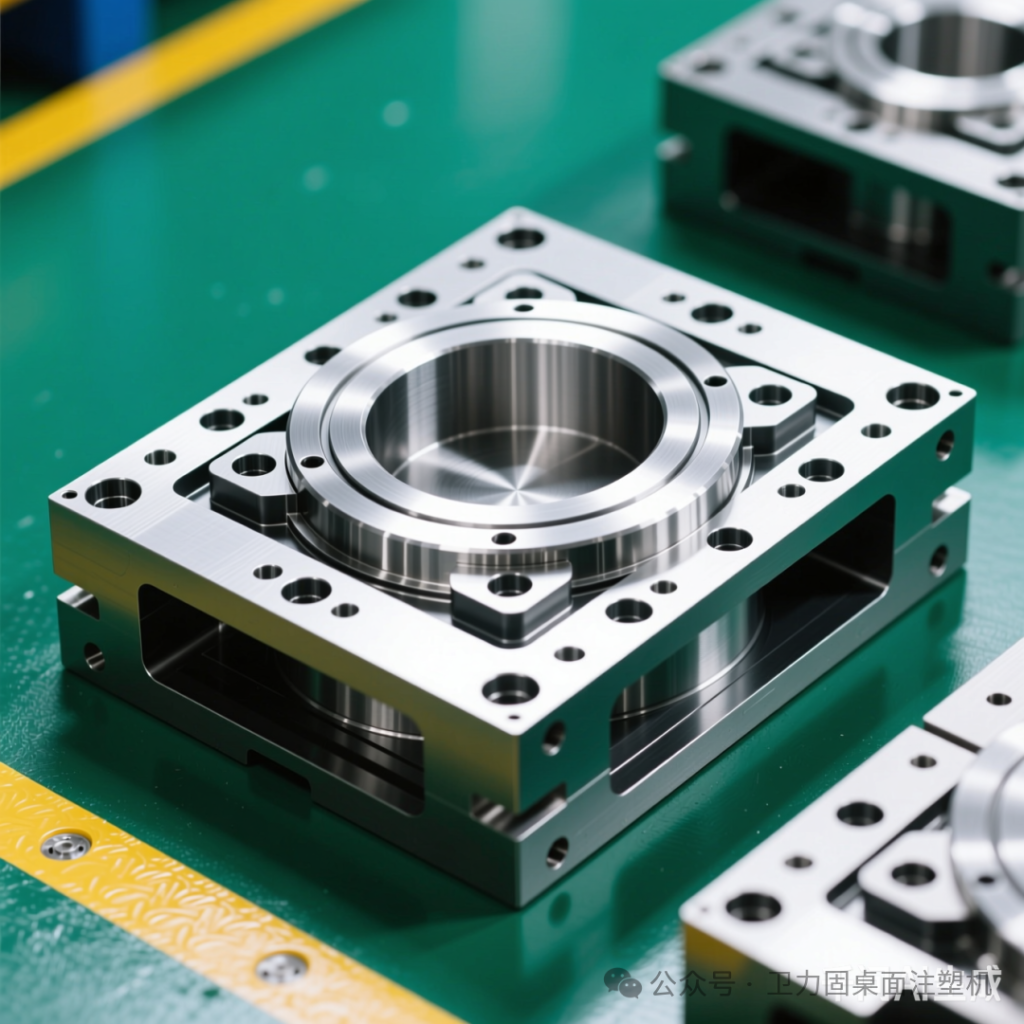
Key Principles of Injection Mold Maintenance
Injection molds are the most critical precision production equipment in an injection molding facility. They directly determine the shape, dimensional accuracy, specification consistency, and surface finish of molded plas
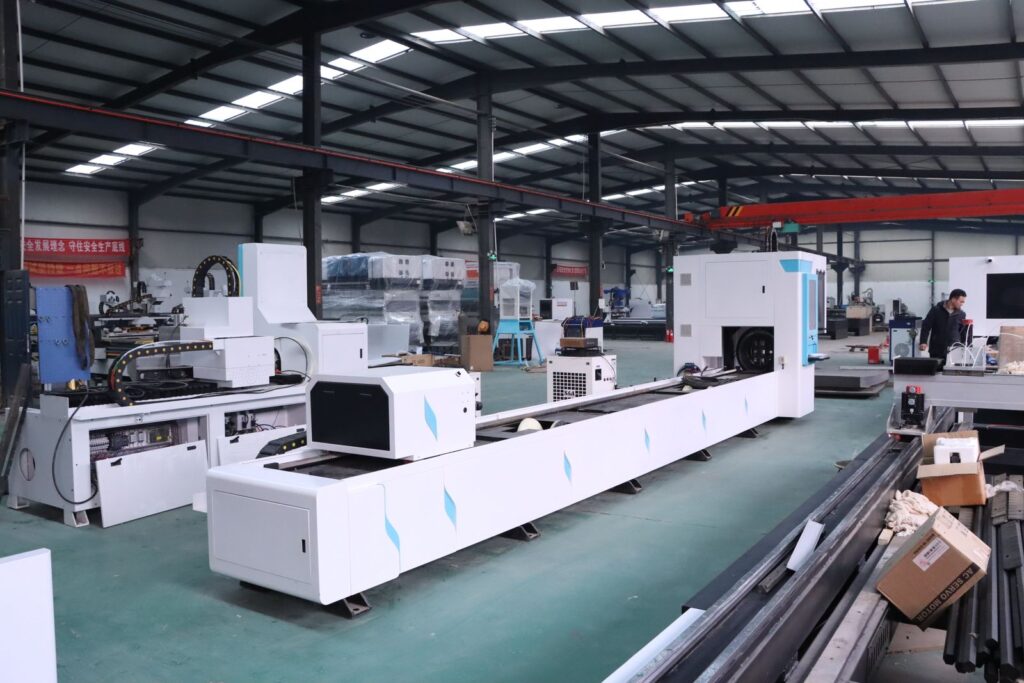
How to Find the Right Mold Manufacturer in China
China, a long-time hub for global mold manufacturing, produces everything from basic plastic injection molds to high-precision tooling for automotive, medical, and electronics applications. Competitive manufacturing cost
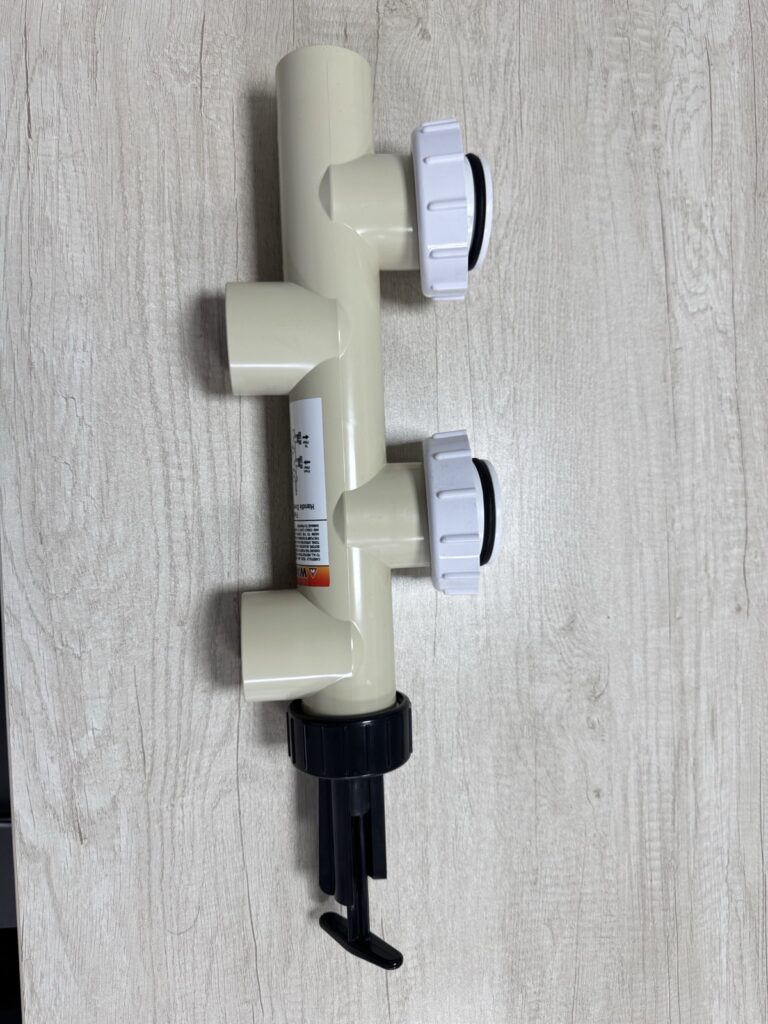
Differences Between CPVC and PVC
PVC vs CPVC compared across composition, corrosion & heat resistance, pressure rating, installation, and cost—learn which pipe material to choose.
Injection Molding Lifter: The Design Standard for Plastic Mold Tooling
Injection Molding Lifter Design in Plastic Injection Mold Tooling The lifter is mainly used to form the internal undercuts of an injection molded plastic part, and at the same time it also offers ejection function. Considerations in lifter design include selecting abrasion-resistant and durable materials to withstand pressures and ensure operational efficiency. Ejector pins are essential for pushing molded parts out when the mold opens, particularly in scenarios with undercuts. The ejector plate moves upward to assist lifters during the ejection process, allowing molded products to be effectively released from the mold. Complex mold design is crucial as it directly impacts the injection molding machine’s lifter mechanism, especially when dealing with intricate product features like undercuts. The mold cavity plays … Read more
Pantone Color Chart: The Matching System Guide
The Pantone Color Matching System is largely a standardized color reproduction system, providing resources and tools for accurately identifying and matching colors in design and printing. The importance of colour in customizing products and ensuring brand representation cannot be overstated. By standardizing the colors, different manufacturers in different locations can all refer to the Pantone system to make sure colors match without direct contact with one another. This collaboration with clients across various creative disciplines and marketplaces showcases the global reach and expertise in providing color insights and solutions tailored to meet the specific needs of these clients. Selecting the right colours in graphic design and printing is crucial, and the Pantone Matching System is an essential resource for this … Read more

What Causes Black Marks on Plastic? Understanding Specks/Streaks in Injection Molding Parts
Black specks/streaks and impurities are the most important factors that lead to rejects in the normal production process. Stubborn stains mainly affect the appearance of the product and lead to scrap. Most of the impurities and black specks are usually caused by foreign substances, i.e., they have nothing to do with the raw material itself. Only a small portion of the black specks and impurities are caused by the raw material itself. Black specks and impurities are characterized by small dark brown particles, which generally do not reflect light. When the particles are large, the impurities are layered, brittle, fragile and porous after being broken. Some of them are irregularly scattered on the whole, some are scattered randomly in … Read more
Injection Molding Defects Causes and Remedies PDF: A Guide to Countermeasures
April 6, 2018 The causes and countermeasures described below are aimed to solve the common injection molding defects that might occur in ordinary circumstances. The examples are just based on my own personal work experience, so if there is anything inappropriate, you are welcome to correct me! Short shots (incomplete filling) – injection molding defects (1) Short shots (incomplete filling): The molten plastic fails to fill up each and every corner in the entire mold cavity. (2) Causes and Countermeasures Flash (1) Flash: Excess material in the form of extra plastic, such as films or burrs, which appears on the parting surface, around the runner, or in the insert crevice. (2) Causes & Countermeasures (See the table below) *Note: Flash also … Read more
Holding Pressure in Injection Moulding: What is it and How to Set it?
The setting of hold pressure is aimed to prevent resin backflow, while at the same time compensating for resin shrinkage caused during the cooling process, so as to achieve the optimal molding outcome. If the holding pressure is set too high, the product will be prone to flash, over filling or stress concentrating near the gate, etc.; on the other hand, if the holding pressure is too low, excessive shrinkage and dimensional instability will be likely to occur. Initial injection pressure helps in filling the mold cavity, while holding pressure is crucial for maintaining part quality and preventing shrinkage. Back pressure is also important in ensuring consistent mixing of resin and maintaining part quality, as well as controlling the movement … Read more
What causes silver streaks or marks during injection molding?
Definition of silver Streaks: Silver streaks are also referred to as silver marks, which appear like burst blisters on the surface of injection molded parts, mostly in the shape arrows pointing to the gate. Causes of Silver Streaks: I. Equipment 1. The nozzle hole is too small, the material leaks or draws at the nozzle, or the barrel or the nozzle is obstructed, and the material decomposes due to the frictional heat caused by high-speed melt flow; 2. The barrel and the screw wear, or melt flow dead ends exist in the screw cap and collar, which are decomposed due to long-time heating. 3. The heating system is out of control, causing the temperature to be too high and resulting … Read more